Compare Local Contractors for Office Furniture Installation Services
Compare local contractors for office furniture installation to verify experience, define scope clearly, and set expectations in writing for a smooth project.
Office furniture installation services typically encompass a range of tasks involved in setting up workspaces to be functional and organized. This can include assembling desks, chairs, filing cabinets, and conference room furniture, as well as placing items according to a designated layout. Contractors may also handle the disassembly of existing furniture, coordinate delivery, and ensure that all pieces are properly positioned and secured. Proper installation is essential for creating a productive environment and maintaining the longevity of the furniture, making it important to work with experienced service providers who understand the nuances of office setups.
Clearly defining the scope of work is vital when engaging with contractors for office furniture installation. A detailed scope helps set expectations, prevent misunderstandings, and ensures that all necessary tasks are accounted for. This includes specifying the types of furniture to be installed, the complexity of the setup, any special requirements, and the desired outcomes. Having a written outline of the scope also provides a reference point for project progress and can serve as a basis for comparing different service providers, helping property owners identify those with relevant experience and capabilities.
When evaluating local contractors for office furniture installation, property owners should consider several factors to make informed comparisons. It’s helpful to review the contractor’s experience with similar projects, ask for references or examples of completed work, and verify their familiarity with the types of furniture involved. Comparing the scope of services offered, the level of professionalism, and the clarity of communication can also provide insight into their reliability. By thoroughly assessing these aspects, property owners can select service providers who are well-equipped to meet the specific needs of their workspace, ensuring a smooth and efficient installation process.
Compare local contractors by outlining your project priorities, verifying experience, and setting clear expectations in writing.
- Compare Contractor Experience - Review the background and project history of local contractors to ensure they have relevant expertise.
- Define Project Scope Clearly - Establish detailed expectations and responsibilities in writing before work begins.
- Verify Service Provider Credentials - Confirm that local contractors have the appropriate experience and references for office furniture installation.
- Set Expectations in Writing - Document all project details, including scope and responsibilities, to prevent misunderstandings.
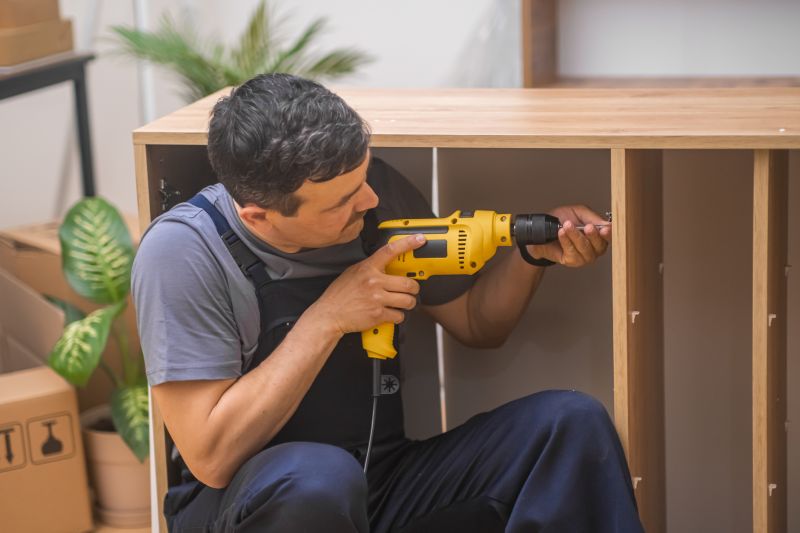
Clearly describe your office furniture installation project to help local contractors compare options and set clear expectations in writing.
- Verify that the contractor has experience installing various types of office furniture to ensure compatibility with specific needs. - Consider how the service provider defines the scope of work and whether it aligns with the project requirements.
- Ensure that the contractor provides a detailed written agreement outlining the responsibilities, deliverables, and expectations for the installation. - Check that the contractor has a clear process for handling modifications or issues that may arise during installation.
- Assess the contractor’s reputation by reviewing references or past projects related to office furniture installation. - Confirm that the service provider has the necessary tools and equipment to complete the installation efficiently.
- Discuss the process for coordinating with other office setup activities to prevent scheduling conflicts or disruptions. - Make sure the contractor understands the importance of protecting existing office infrastructure during installation.
- Compare how different local contractors approach project management, communication, and quality control to select the best fit for the job. - Confirm that all aspects of the installation are documented and agreed upon in writing before work begins.
Use this to compare local contractors, clarify scope, verify experience, and set clear expectations.

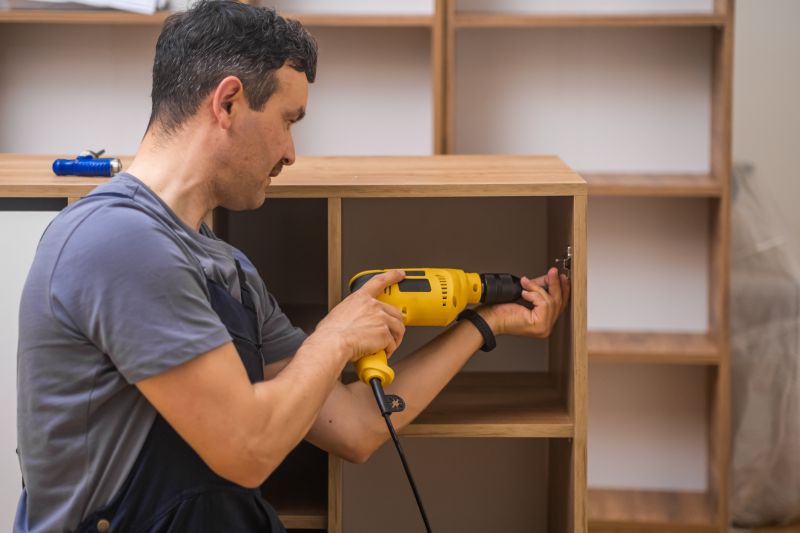


To ensure fair comparisons, clearly define project scope, verify experience, and document expectations with local service providers.
- Scope Definition - Clearly outline the specific furniture pieces and installation tasks required for the project.
- Experience Verification - Confirm that service providers have relevant experience with office furniture installation.
- Material Handling - Specify procedures for receiving, inspecting, and safely transporting furniture to the installation site.
- Installation Standards - Establish expectations for quality, alignment, and proper assembly of all furniture components.
- Documentation & Communication - Ensure all project details, scope, and responsibilities are documented and agreed upon in writing.
When evaluating contractors for office furniture installation, it’s important to consider their experience with similar projects. Service providers with a history of handling office setups, cubicle installations, or furniture moves can better anticipate potential challenges and understand the specific requirements of commercial environments. Inquiring about past work that aligns with the scope of the current project helps ensure that the contractor has relevant expertise, which can lead to a smoother installation process and a higher quality outcome.
A clear, written scope of work is essential when comparing contractors. This document should outline the specific tasks involved, including the types of furniture to be installed, the number of workstations, and any special handling or placement instructions. A well-defined scope helps prevent misunderstandings and provides a basis for evaluating whether a contractor’s approach aligns with project needs. It also facilitates communication and sets clear expectations for what will be delivered, reducing the potential for surprises during the installation.
Verification basics involve confirming that service providers understand the scope and have a proven track record of successful projects. This can include reviewing references or case studies that demonstrate experience with similar office furniture installations. Additionally, checking for consistency in project descriptions and ensuring that the contractor’s capabilities match the complexity of the work can help verify their suitability. Clear documentation of previous work and verified experience provides confidence that the contractor is capable of managing the specific demands of the project.
When comparing options, it’s important to focus on how well each contractor’s approach aligns with project needs rather than solely on cost or timeline. Evaluating their proposed scope, experience, and communication methods can provide insight into their reliability and professionalism. Asking detailed questions about their process, referencing past projects, and requesting written descriptions of how they plan to handle various aspects of the installation can help identify the service provider best suited to meet the project’s requirements. This thorough approach supports making an informed choice based on expertise and clarity rather than price alone.
Ask contractors to provide written scope details to ensure clear understanding and consistent project expectations.
- Experience and Qualifications - What specific experience do local contractors have with office furniture installation projects similar to yours?
- Scope of Work Clarification - How do local service providers define and document the scope of work to ensure all installation details are covered?
- Comparison of Services - What services and capabilities do different local contractors offer to meet your office furniture installation needs?
- Work Process and Expectations - How do local contractors outline their installation process and set clear expectations in writing?
- References and Past Projects - Can local service providers provide references or examples of previous office furniture installation projects?
How can I compare different contractors for office furniture installation? Use a platform that provides reviews, credentials, and experience details to evaluate and compare local service providers effectively.
What should I consider when defining the scope of office furniture installation? Clearly outline the types of furniture, the number of pieces, and any special requirements to ensure contractors understand the project needs.
How do I verify a contractor's experience with office furniture installation? Review their work history, client references, and portfolio to assess their familiarity with similar projects and furniture types.
Why is it important to have the scope of work in writing? A written scope helps set clear expectations, prevents misunderstandings, and provides a reference for project completion details.
What questions should I ask potential contractors before hiring? Inquire about their previous experience, methods, tools used, and how they handle unexpected issues during installation.
How can I ensure a contractor understands my specific office setup needs? Communicate detailed requirements and review their proposed plan to confirm alignment before proceeding with the project.
By exploring the details shared about office furniture installation, visitors gain an understanding of how to identify experienced contractors, define the scope of work clearly, and establish written expectations to ensure smooth project execution. Comparing local contractors through a quote form simplifies the process of finding service providers who can meet specific needs and preferences for office setup projects.
Utilizing the quote form allows visitors to connect with local contractors capable of handling office furniture installation tasks, helping to evaluate options side by side. Taking the time to gather information and compare service providers can lead to more informed decisions when selecting a contractor suited to the project's requirements.