Compare Local Contractors for Handyman Assembly Services
Compare local contractors for handyman assembly to define scope, verify experience, and set clear expectations, ensuring a reliable and well-managed project.
Handyman assembly services typically cover a range of tasks that involve putting together furniture, shelving, fixtures, and other household or commercial items. This work often includes assembling flat-pack furniture, installing appliances, mounting televisions, and completing various small-scale projects that require basic tools and straightforward procedures. Property owners may seek these services when they purchase new items or need help with upgrades around their space, ensuring that everything is properly assembled and safely installed for everyday use.
Defining the scope of work is an essential step in working with contractors for handyman assembly. Clearly outlining what needs to be assembled, installed, or fixed helps prevent misunderstandings and ensures that both property owners and service providers are aligned on expectations. Providing detailed descriptions of the tasks involved, including the number of items, specific locations, and any special requirements, can contribute to a smoother process and help avoid potential issues that may arise from miscommunication.
Property owners can compare local contractors by examining their experience, reputation, and the services they offer. It’s helpful to verify whether a contractor has worked on similar projects and to seek references or reviews from previous clients. When evaluating potential service providers, consider how they handle scope clarification and whether they document project details in writing. This approach supports making informed decisions and choosing a contractor who can meet specific needs with professionalism and clarity.
Compare local contractors by outlining your project priorities, verifying experience, and clearly defining scope and expectations.
- Compare Contractors - evaluate multiple local service providers to find the best match for your handyman assembly needs.
- Define Scope Clearly - specify the work details and expectations to ensure accurate understanding with contractors.
- Verify Experience - review the background and past work of local contractors to assess their suitability for your project.
- Set Expectations in Writing - document the scope, responsibilities, and deliverables to promote clarity and accountability.

Clearly define your assembly project and compare local contractors based on experience, scope, and written expectations.
- Verify experience and expertise in handyman assembly services to ensure the contractor can handle the specific tasks required. - Consider how well the contractor understands the scope of work and can provide clear explanations.
- Compare credentials and reputation among local contractors to identify those with a track record of quality work. - Look for reviews or references that demonstrate consistent customer satisfaction.
- Define the project scope in writing to establish clear expectations and prevent misunderstandings. - Ensure the scope includes details about materials, assembly procedures, and any special requirements.
- Assess the contractor’s ability to communicate effectively and provide detailed, written estimates or proposals. - Clear communication helps in aligning expectations and avoiding surprises.
- Check for transparency in the contractor’s process for managing changes or unforeseen issues during assembly. - A reliable service provider will have a plan for handling adjustments in scope or unexpected challenges.
- Ensure that the contractor is willing to provide a written contract outlining the scope, responsibilities, and terms of the service. - A comprehensive agreement helps protect both parties and clarifies the project expectations.
Compare local contractors to clarify scope, verify experience, and set clear expectations in writing.



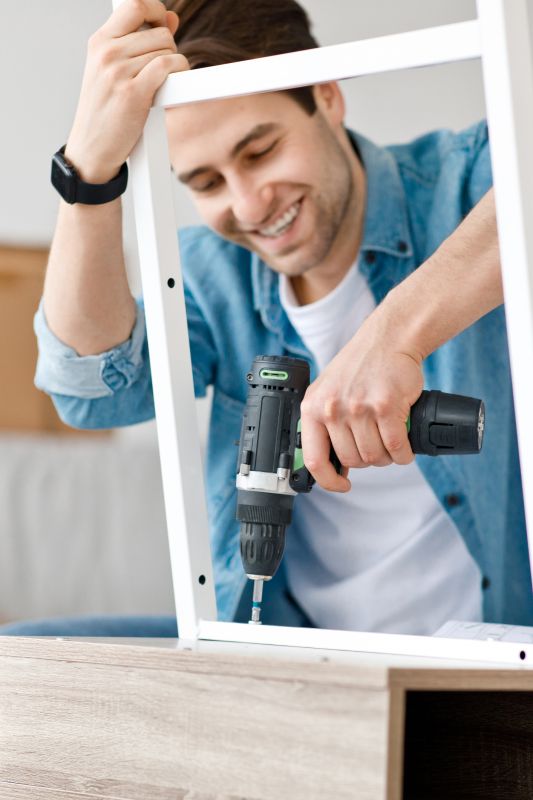
This scope builder helps compare local contractors’ services, verify experience, and establish clear expectations without prices.
- Scope Definition - Clearly outline the specific assembly tasks required to ensure all parties understand the work involved.
- Experience Verification - Confirm that service providers have relevant experience with similar handyman assembly projects.
- Skill Assessment - Evaluate the contractor’s ability to handle the complexity and type of assembly work needed.
- Work Expectations - Establish detailed expectations in writing, including responsibilities and deliverables for the assembly service.
- Provider Comparison - Compare local contractors based on their scope offerings, experience, and ability to meet defined requirements.
When comparing contractors for handyman assembly services, it’s important to evaluate their experience with similar projects. Homeowners should seek out service providers who have a proven track record of successfully completing assembly work comparable to the specific items involved in the project. Asking about past projects, types of furniture or equipment assembled, and the complexity of previous jobs can provide insight into a contractor’s familiarity and skill level. This helps ensure that the selected professional has relevant experience, which can contribute to a smoother process and a satisfactory outcome.
A clear, written scope of work is essential when assessing potential contractors. Homeowners should request detailed descriptions of the services included, outlining exactly what will be assembled and any additional tasks that may be involved. A well-defined scope helps prevent misunderstandings and sets clear expectations for both parties. It’s beneficial to confirm that the scope covers all aspects of the project, including the specific items to be assembled, the materials involved, and any special considerations, so that everyone is aligned before work begins.
Verification of a contractor’s basic credentials involves reviewing their background and reputation. While not discussing licensing or certification, homeowners can verify references or seek out reviews and testimonials from previous clients. Asking service providers for examples of completed projects or contact information for past customers can help gauge reliability and workmanship. This step provides a level of assurance that the contractor has a history of delivering quality assembly services and can handle projects similar to the one at hand.
Evaluating options without focusing on prices involves considering the professionalism, communication, and clarity offered by each contractor. Homeowners should compare how thoroughly each service provider explains their process, provides written details, and responds to questions. It’s also helpful to assess how well the contractors understand the scope of work and whether they seem attentive to specific project needs. By focusing on these qualities, homeowners can identify service providers who demonstrate reliability and transparency, making it easier to choose a contractor capable of meeting their assembly needs effectively.
Ask contractors to provide written scope details to ensure clear expectations and consistent project understanding.
- Experience and Expertise - What specific experience do contractors have with handyman assembly projects similar to the scope needed?
- Scope of Work - How clearly do contractors define the tasks included in their assembly services to ensure mutual understanding?
- Comparison of Services - What differences exist between local contractors regarding the types of assembly tasks they typically handle?
- Work Scope Clarification - How do service providers specify what is included and excluded in their assembly services in writing?
- Qualifications and Background - What information do local contractors provide to verify their experience and capabilities for handyman assembly work?
How can I compare different contractors for handyman assembly services? It’s helpful to review their experience, scope of work, and written estimates to ensure clarity and compatibility with the project needs.
What should I consider when defining the scope of my handyman assembly project? Clearly outline the tasks involved, materials needed, and any specific requirements to help contractors provide accurate and detailed proposals.
How do I verify a contractor’s experience in assembly services? Ask for examples of past work, references, or a portfolio that demonstrates their expertise in similar projects to ensure they have relevant experience.
Why is it important to have the project scope and expectations in writing? Having a written agreement helps prevent misunderstandings, sets clear expectations, and provides a reference for the work to be completed.
What questions should I ask a contractor before hiring for assembly work? Inquire about their experience, approach to similar projects, materials used, and how they handle potential issues or changes during the job.
How can I ensure the contractor understands my project requirements? Communicate your needs clearly and confirm that the scope, materials, and expectations are documented in writing before work begins.
Visitors now understand how to identify qualified contractors for handyman assembly projects by defining the scope clearly, verifying relevant experience, and ensuring expectations are documented in writing. Comparing local service providers can help find options that meet specific needs and preferences, making the selection process more straightforward. Utilizing the quote form allows for easy comparison of different contractors, helping to make informed decisions when choosing the right service provider.
By taking advantage of the quote form, visitors can efficiently explore and compare various local contractors specializing in handyman assembly. This approach supports finding the best options available in the area, tailored to individual project requirements. Connecting with trusted service providers through this process can help facilitate a smooth and transparent experience for every assembly task.